

Rent mobility equipment in Kyoto
Rent an Electric Wheelchair: Kyoto
Kyoto Area Information
Planning Your Kyoto Mobility Needs
+Kyoto's Accessible Attractions
+Parking and Driving in Kyoto
+Kyoto Attractions: Insider Mobility Information
Fushimi Inari Taisha
Fushimi Inari Taisha (or the Fushimi Inari Shrine) is one of Kyoto’s most famous sites, known for its bright orange torii gates that wind through the hills. The shrine is dedicated to Inari, the Shinto god of rice and prosperity, and visitors often hike to the summit, passing dozens of smaller shrines along the way.
The shrine is partially wheelchair accessible. Visitors can access the main path, reach the shrine via ramps, and use an elevator to get to the start of the famous torii gate tunnel. The paved path allows access up to the inner Okusha Shrine. However, beyond this point, the mountain trails become steep and impassable for wheelchairs. Accessible toilets are also available at the lower shrine and nearby train station. While the full experience isn't accessible, key highlights can be enjoyed with some planning and the help of Scootaround's power wheelchair rental service.
Kinkaku-ji (Golden Pavilion)
Kinkaku-ji, or the Golden Pavilion, is one of Kyoto’s most visually striking landmarks. This Zen Buddhist temple is famous for its top two floors, which are covered in shimmering gold leaf, and for the reflection it casts on the pond surrounding it. The beautiful gardens and tranquil setting make it a must-see for first-time visitors.
While the Golden Pavilion itself is not open to the public, the surrounding grounds and walking paths are partially accessible to wheelchair users. There are gravel and stone paths leading around the pond and toward key viewing points. However, some sections include steps and uneven surfaces that may pose difficulty for visitors using manual wheelchairs or power chairs.
Kiyomizu-dera Temple
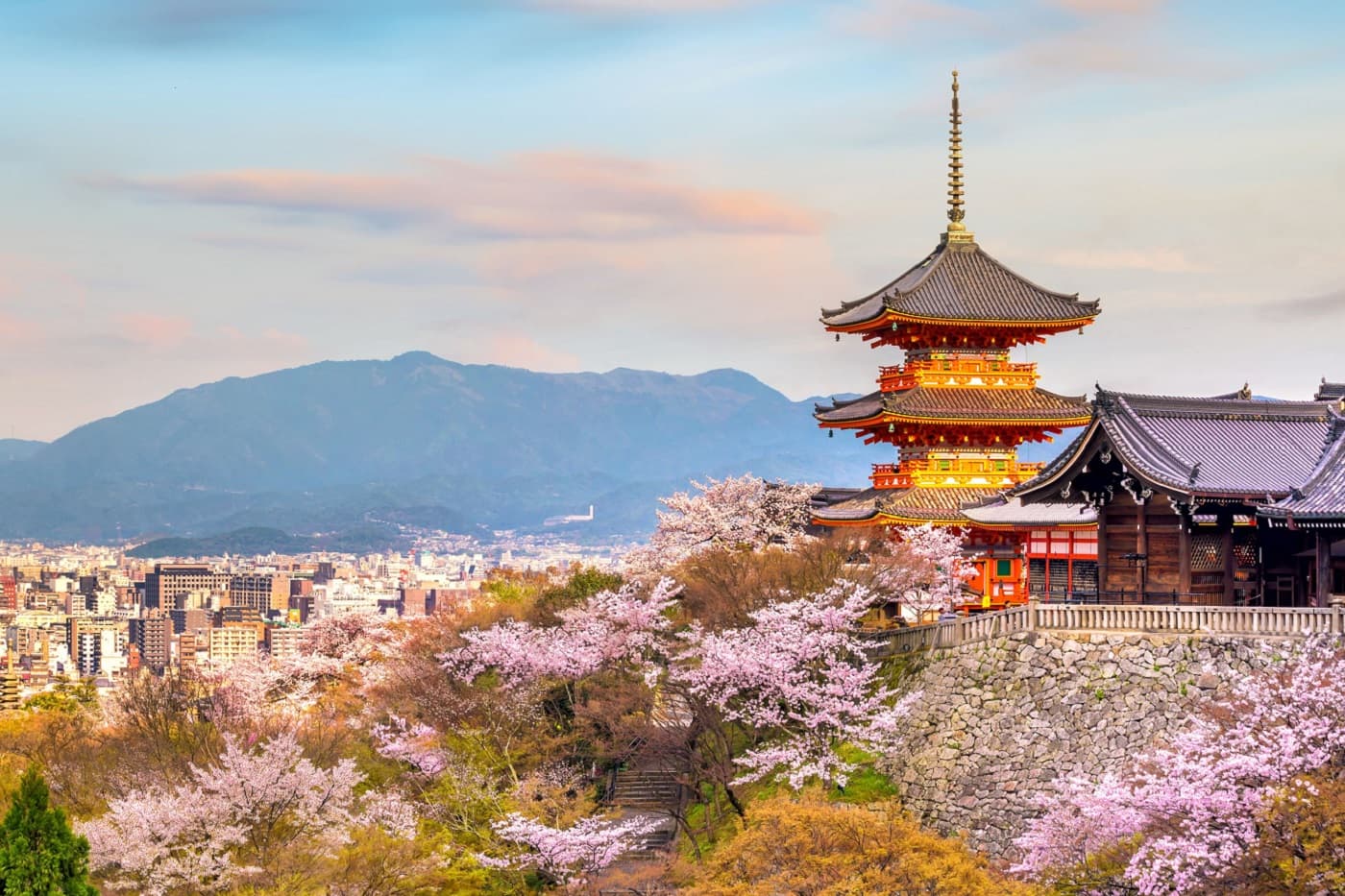
A UNESCO World Heritage Site, the Kiyomizu-dera temple was founded in 778 and is known for its hillside location that provides sweeping views of the city. Visitors come to admire the temple’s architecture, cherry blossoms in spring, and maple leaves in the fall.
Kiyomizu-dera Temple is working on improving accessibility, though visitors with mobility challenges may still encounter some difficulties. The walk from the nearest bus stop is steep and can be tough for those using manual wheelchairs, though taxis are allowed to drop passengers off closer to the entrance. A marked accessible path guides wheelchair users through a side entrance and around much of the temple grounds. Ramps provide access to key areas, including the main hall and its iconic wooden stage. Two wheelchair-accessible restrooms are also available on-site.
Nijo-jo Castle
Nijo-jo Castle, another UNESCO World Heritage Site in Kyoto, was built in the 17th century as the residence of the first shogun of the Edo period. Surrounded by stone walls, moats, and gardens, the castle complex offers a fantastic glimpse into Japan’s feudal history and traditional architecture.
Nijo-jo Castle is fairly accessible and has accessible restrooms. However, it also has gravel paths that may be difficult to navigate for manual wheelchairs or people using canes. Electric wheelchairs fare better, and staff are available on-site to assist. The Ninomaru Palace is accessible via ramp after transferring into a manual wheelchair provided by the site, with minor bumps between rooms that may cause slight jolts. Unfortunately, areas like the Tea House and the castle keep foundation are not accessible.
Contact Us
A Scootaround representative will contact you within 24 hours to provide you with a rental price quote and book your reservation via the phone number or e-mail address indicated on your request form.